Spring Wildflower Routes: Blue Ridge Parkway to Ocala National Forest
Starting on a spring wildflower route from the Blue Ridge Parkway to Ocala National Forest is a vibrant journey worth taking. Along the Parkway’s 469 miles through Virginia and North Carolina, you’ll spot flowering species like Catawba Rhododendrons and Flame Azaleas.
The trail will guide you to Craggy Gardens and the Pisgah National Forest, abundant with diverse species. On reaching Ocala National Forest, get ready to immerse in Nature’s spectacle featuring Lupine blossoms.
As we help navigate your spring wildflower trip, let’s prepare ourselves to be responsible stewards of these landscapes, allowing them to continually inspire awe. Buckle up, there’s so much more to explore!
Embarking on the Blue Ridge Parkway
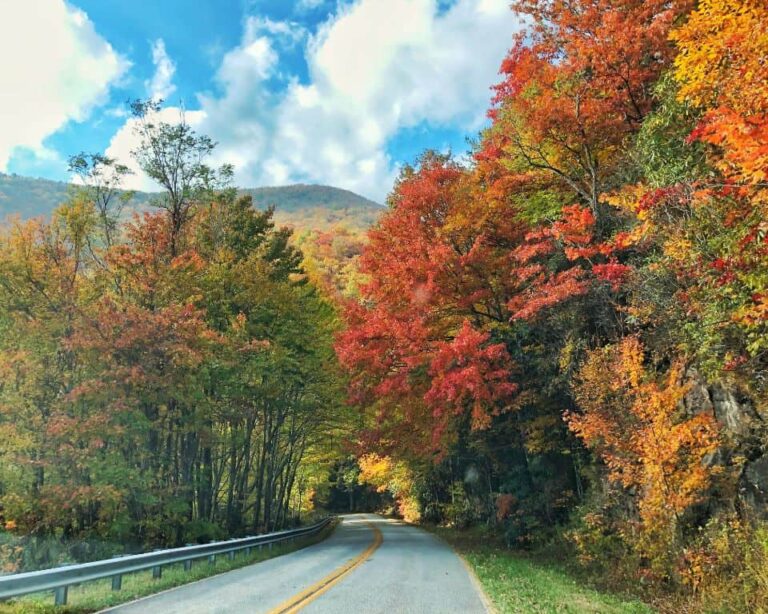
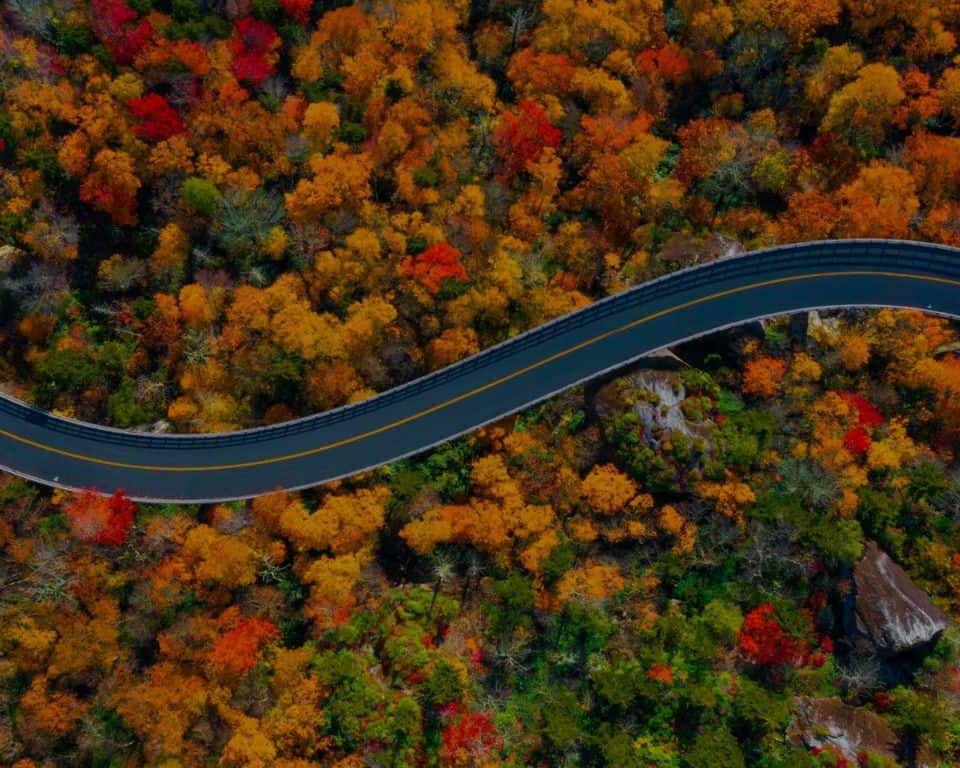
Let’s kick off our wildflower journey on the renowned Blue Ridge Parkway. Spanning over 469 miles through Virginia and North Carolina, this famous route offers breathtaking views and a plethora of wildflowers. But before we set out, let’s guarantee safety is at the forefront of our adventure.
It’s essential to check the weather forecast before leaving. The parkway is known for sudden weather changes, especially fog, which can reduce visibility. Also, don’t forget to pack a first aid kit, water, and snacks. Being prepared can make all the difference.
Road conditions may vary drastically, so it’s important to stay vigilant. Narrow lanes, steep inclines, and sharp turns are common. Let’s maintain a safe speed and keep our eyes on the road.
We also recommend stopping at the visitor centers along the way. They’re great sources of current information about road conditions, wildlife sightings, and blooming locations. Plus, they’re perfect spots for a quick rest.
Key Flowering Species to Spot
As we navigate the winding Blue Ridge Parkway, we’re on the lookout for a spectacular array of wildflowers that call this region home. Amidst the lush greens, keep your eyes peeled for the vibrant pink Catawba Rhododendrons. These bloom in late spring, a sight that’s truly mesmerizing.
Don’t miss the Flame Azalea, either. Its fiery orange hue gives it its name, and it’s a treasured sight along our journey. We’ll also encounter the delicate white blossoms of the Mountain Laurel, another native of this region.
As we descend towards the Ocala National Forest, a shift in the floral landscape ensues. Here, the star attraction is the strikingly beautiful Lupine. It paints the forest floor with shades of blue and purple. We’ll also find the Yellow Jessamine, South Carolina’s state flower, twining its gold-colored blossoms through the trees.
While we’re excited to spot these wildflowers, it’s essential to remember not to pick them. They’re a significant part of the ecosystem and best appreciated in their natural environment. Let’s enjoy their beauty responsibly and preserve it for others to experience.
Best Stops for Wildflower Viewing
Our journey through the wildflower routes wouldn’t be complete without making strategic stops at some of the most stunning wildflower viewing spots. Craggy Gardens, nestled in the heart of the Blue Ridge Parkway, is our first must-see.
Known for its rhododendron blooms, it offers a vast panorama of purple and pink flowers set against a backdrop of mountain vistas in late spring. Next, we’ll venture to Linville Falls, another gem on the Parkway.
Here, you’ll find a beautiful mix of wildflowers lining the trails, including trilliums, violets, and lilies. Remember, safety first! Stick to the marked trails and keep a safe distance from the falls.
Finally, we’ll head to the Pisgah National Forest. This stop is brimming with wildlife and diverse wildflower species. The Pink Beds Loop, in particular, is a hotspot for wildflower enthusiasts. Here, you’ll spot a variety of orchids, lilies, and irises.
These stops are not just about viewing, they’re about immersing ourselves in nature’s spectacle while ensuring we respect and preserve these natural habitats. So, let’s lace up our hiking boots, pack our binoculars, and begin this wildflower journey together.
Journeying to Ocala National Forest
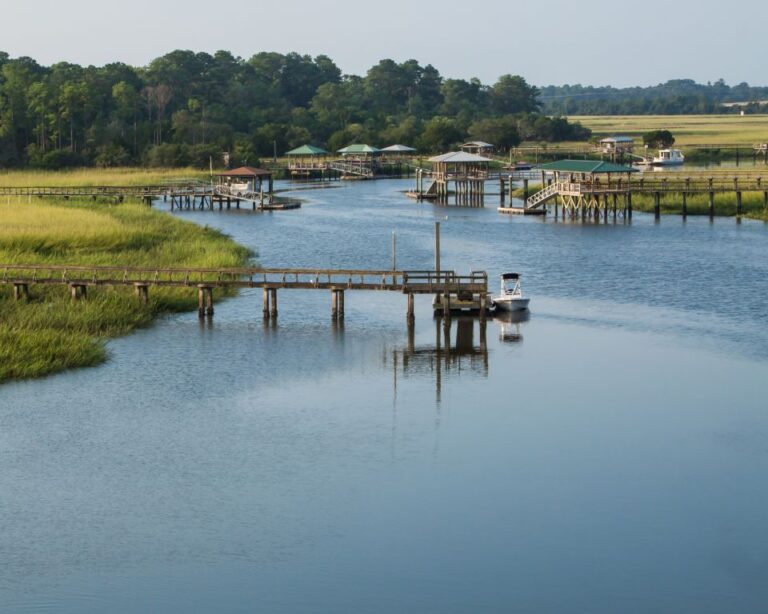
After our thrilling adventures in the Pisgah National Forest, we’re setting our sights on Florida’s Ocala National Forest. As we journey south, we’ll be enchanted by the diverse ecosystems: sand pine scrubs, subtropical hardwood hammocks, and vibrant wildflower carpets that make this forest a remarkable spectacle.
We’ll reach Ocala via Highway 40. It’s a scenic drive, but remember, safety is key. Keep an eye out for wildlife crossings, and stick to the speed limit. The journey can be long, so make certain your vehicle is in top shape before setting off.
Once there, we’ve got 383,000 acres to explore. With over 600 lakes, rivers, and springs, there’s more than just wildflowers to enjoy. We’ll be sure to visit Juniper Springs, one of the oldest and best-known recreation areas in the Southeast. It’s perfect for swimming, snorkeling, and canoeing.
Let’s keep in mind that Ocala is a haven for countless species. We’ll tread lightly, preserving nature’s masterpiece for future generations. This isn’t just a trip, it’s an opportunity to connect with nature, learn about diverse ecosystems, and marvel at Mother Nature’s springtime artistry.
Tips for Responsible Wildflower Enjoyment
In the midst of all our excitement, it’s crucial to remember that we’re guests in these wonderful wildflower habitats. We must respect them and guarantee their survival for future generations. Let’s share some tips to enjoy these beautiful blooms responsibly.
First off, stick to the trails. It’s tempting to venture off the path for that perfect photo, but trampling wildflowers can damage their growth. If you’re hiking, make sure you’re equipped with a map and stay on marked trails.
Next, resist the urge to pick wildflowers. Remember, they’re not souvenirs. Picking them not only prevents others from enjoying their beauty but can also harm the ecosystem they’re a part of. If we all picked flowers, there’d be none left to admire.
Lastly, dispose of your trash properly. Littering is not only illegal but can harm wildlife and the natural environment. Carry a bag with you for trash and dispose of it in designated bins.