Historic Plantations & Coastal Towns: A Carolina-Georgia Loop
We’re about to take a enchanting journey through the historic plantations and breathtaking coastal towns along the Carolina-Georgia loop.
Starting in the magnificent Charleston, we’ll roam the ancient paths of Magnolia Plantation and Gardens, admire Southern hospitality amidst the lush Middleton Place, and stroll through the charming Historic District of Savannah.
We’ll experience the grandeur of the Wormsloe Plantation, soak up serene views on Jekyll Island, and unwind in the quaint coastal town of St. Simon’s Island. Beaufort’s architectural treasures are equally enchanting, and there’s even more to discover. Ready to uncover the secrets of these timeless treasures?
Starting Your Journey in Charleston
We’re kicking off our epic Carolina-Georgia Loop journey in the vibrant city of Charleston, South Carolina. Charleston is a city teeming with rich history, stunning architecture, and a culinary scene that’s sure to tantalize your taste buds.
It’s a great place to start our adventure, offering a mix of both relaxation and exploration opportunities. Begin your trip by strolling along the historic Charleston City Market. It’s the perfect location to immerse yourself in the local culture; just remember to keep your valuables close for safety.
You’ll find an array of artisans showcasing their handcrafted goods, from sweetgrass baskets to homemade preserves. Next, head over to the picturesque Waterfront Park. This 12-acre park offers stunning views of the Charleston Harbor.
It’s a hub of activity throughout the day, so we recommend visiting in the early morning or late afternoon for a quieter, more relaxed experience. Safety is our top priority, so be sure to stay hydrated and apply sunblock regularly, especially in the warmer months.
Charleston is a safe, welcoming city, but as with any destination, it’s always important to stay aware of your surroundings. We believe safety and fun can go hand in hand, and we can’t wait to explore more with you!
Magnolia Plantation and Gardens
After soaking in the sights and sounds of Charleston, our adventure continues as we make our way to the enchanting Magnolia Plantation and Gardens. Founded in 1676, this historic site is not just one of the oldest plantations in the South, but also one of America’s oldest public gardens.
It’s a perfect spot to immerse ourselves in nature’s beauty while reviving the history that shaped this region. Imagine strolling along the charming garden paths, surrounded by blooming azaleas and ancient oak trees draped in Spanish moss.
We’ll spot wildlife too, as the gardens are home to an assortment of birds and even alligators. Don’t worry though, they’re safely tucked away in their own habitats. The plantation’s staff prioritizes our safety, with clearly marked trails and helpful signage.
The main house is a must-visit. Its rooms echo with tales of Southern hospitality, each furnished with artifacts from the era. Guided tours are available, ensuring we don’t miss any significant detail.
Exploring Magnolia Plantation and Gardens is like stepping back in time, a perfect blend of history, nature, and safety. It’s the next exciting stop on our Carolina-Georgia loop, offering an unforgettable journey into the past.
Unveiling Middleton Place
Nestled on the banks of the Ashley River, Middleton Place beckons us forward on our Carolina-Georgia loop. This historic plantation, a National Historic Landmark, is a symbol of the grandeur of the Old South, brimming with well-preserved architecture and stunning landscaped gardens.
As we meander through the lush gardens, we can’t help but be captivated by the centuries-old camellias, the riotous azaleas in the spring, and the reflective peace of the Butterfly Lakes. We’ll explore the House Museum, home to a rich collection of family portraits, furniture, and silver, giving us an intimate glimpse into life in the 18th and 19th centuries.
Safety is paramount, so we’ll follow the clearly marked paths, and we’re sure to appreciate the docents’ extensive knowledge. We’ll also marvel at the plantation’s commitment to preserving its history, including the Eliza’s House exhibit, which honors the enslaved Africans who once lived and worked here.
Before we leave, we’ll indulge in a meal at the Middleton Place Restaurant, where we can savor Lowcountry fare in a serene setting. As we continue our journey, Middleton Place leaves us with a deeper understanding of the region’s history and a sense of awe at its timeless beauty.
Discovering Savannah’s Historic District
Leaving the timeless beauty of Middleton Place behind, our journey takes us to Savannah’s Historic District. We’re stepping into a world where cobblestone streets, charming city squares, and antebellum architecture transport us back in time.
Savannah’s Historic District is one of the largest National Historic Landmark Districts in the United States. It’s a safe haven for history buffs, brimming with well-preserved buildings, museums, and monuments.
As we stroll around, we can’t help but marvel at the intricate ironwork, stunning stained glass, and towering moss-draped oaks that add to the district’s charm. Don’t miss the iconic Forsyth Park, a 30-acre green space that’s a favorite among locals and tourists alike.
We’re assured of a safe, peaceful experience as we meander through the walking paths, enjoy the fragrant flower gardens and admire the famous Forsyth Fountain.
A visit to Savannah’s Historic District wouldn’t be complete without a guided trolley tour. It’s a fun, safe way to learn about the city’s history, with knowledgeable guides taking us through the district’s highlights.
Savannah’s Historic District offers a blend of history, beauty, and Southern charm that’s truly enchanting.
The Grandeur of Wormsloe Plantation
Beyond the enchanting allure of Savannah’s Historic District, our journey leads us to the grandeur of Wormsloe Plantation. This historic site, home to the oldest standing structure in Savannah, unfolds an intriguing narrative of Georgia’s past.
Here’s what you mustn’t miss at Wormsloe:
- The Iconic Avenue of Oaks: A mile-long avenue, lined with over 400 live oak trees, welcomes us, creating a picturesque panorama.
- Colonial Life Demonstrations: Engage with history through living exhibits that demonstrate colonial life. You’ll appreciate the safety measures implemented to guarantee an enjoyable and secure experience.
- The Tabby Ruin: Behold the oldest standing structure in Savannah, made of ‘tabby’ – a unique kind of concrete. It’s a reflection of the ingenuity of those who’ve walked here before us.
- Nature Trails: Wander safely along the well-maintained trails, enshrouded in lush woodland and salt marshes, teeming with wildlife.
Each step at Wormsloe reveals a new chapter of the South’s rich history. Its grandeur captivates us, and its stories resonate deeply, inviting us to explore further into our exploration of Carolina and Georgia’s historic loop.
Exploring Jekyll Island’s Charm
As we bid farewell to the grandeur of Wormsloe Plantation, our journey sweeps us towards the coastal charm of Jekyll Island. Nestled off the coast of Georgia, Jekyll Island offers an alluring blend of natural beauty and historic charm.
We’re immediately greeted by rows of ancient live oaks draped in Spanish moss, a signature sight of the South. Here, there’s no shortage of activities to enjoy safely. We could meander along the island’s many walking and biking trails, soaking in the serene marsh views and spotting local wildlife.
For history buffs, we’ve got the Jekyll Island Club, once the private winter retreat of America’s wealthiest families. Now a National Historic Landmark, it’s a fascinating glimpse into the Gilded Age. Our journey wouldn’t be complete without a visit to Driftwood Beach.
This unique spot, where sun-bleached trees create a natural sculpture garden, is perfect for a leisurely stroll or a picturesque picnic. As the sun sets, we’re reminded of Jekyll Island’s enchanting charm, which we’ve experienced at a leisurely and safe pace.
Stay tuned for our next stop on this Carolina-Georgia loop, as we continue to explore the coastal South’s rich history and alluring beauty.
St. Simon’s Island Coastal Beauty
Bidding adieu to Jekyll Island’s enchanting charm, our journey now takes us to yet another coastal gem, St. Simon’s Island. The largest of Georgia’s Golden Isles, St. Simon’s offers a sublime mix of natural beauty and rich history. It’s a sanctuary where life moves at a slower pace, allowing us to pause and soak in the coastal grandeur.
- Stroll along the pristine beaches: The island’s beaches are a feast for the eyes, extending a warm welcome with their soft sands and gentle waves. Ideal for a leisurely walk, they’re a picture of tranquility.
- Visit the historic lighthouse: The St. Simon’s Island Light, an operational lighthouse, offers breathtaking panoramic views. Ascend its 129 steps and you’re rewarded with a vista that’s simply unforgettable.
- Explore the Maritime Center: Housed in the historic Coast Guard Station, it offers a fascinating glimpse into the island’s maritime history and ecology.
- Enjoy local cuisine: The island’s eateries serve up delicious seafood, a delightful culmination to the day’s exploration.
Safety is paramount on St. Simon’s Island. Whether you’re on a solitary beach walk or climbing the lighthouse stairs, you’ll find it a secure and serene haven.
St. Mary’s: Gateway to Cumberland
Leaving behind the tranquil beauty of St. Simon’s Island, we venture on to St. Mary’s, the charming coastal town known as the gateway to Cumberland Island.
St. Mary’s exudes an aura of small-town charm that you won’t easily forget. Meander through its historic district, where you’ll find an array of antique shops and quaint eateries housed in beautifully preserved buildings. Don’t miss the St. Mary’s Submarine Museum, which gives a fascinating glimpse into the city’s naval history.
But it’s the access to Cumberland Island that truly distinguishes St. Mary’s. As the departure point for the ferry, it’s our gateway to one of Georgia’s most stunning natural treasures. The island, a designated national seashore, is a haven for wildlife and offers miles of pristine beaches and hiking trails.
Safety is paramount here. All tours and activities are led by experienced guides, ensuring you’re well looked after. You’re in safe hands as you explore the island’s rich history, diverse wildlife, and breathtaking landscapes.
Remember to pack your sunblock, water, and snacks for the trip. And don’t forget your camera – the photo opportunities are endless. Next, we’ll journey on to the timeless beauty of Beaufort’s antebellum architecture.
Beaufort’s Antebellum Architecture
Our adventure continues as we make our way to Beaufort, a gem in the heart of the South Carolina Lowcountry. Famous for its well-preserved antebellum architecture, Beaufort paints a picture of the past with its beautiful mansions and historic churches.
Let’s take a closer look at four standout examples of this city’s historical wonders:
- The Cuthbert House: This Federal-style mansion offers breathtaking water views and has been converted into a charming inn. Its history dates back to 1790 and we can assure you, it’s as safe as it is stunning.
- The Anchorage 1770 Inn: Formerly known as the Frank Lesesne House, this three-story antebellum mansion is now a luxurious inn overlooking the Beaufort River.
- Tabernacle Baptist Church: A symbol of resilience, this church established by freed slaves after the Civil War, features a monument dedicated to Robert Smalls, a former slave and US Congressman.
- John Mark Verdier House: A museum that perfectly encapsulates the rich history of Beaufort. It’s a must-visit, carefully preserved and absolutely safe for visitors.
Beaufort’s antebellum architecture speaks volumes about the region’s past. It’s a journey back in time, without compromise on safety or comfort.
Finishing in Historic Charleston
No visit to the Carolina-Georgia Loop would be complete without a stop in historic Charleston, South Carolina. We’ll finish our journey here, allowing ourselves to be captivated by the city’s charm.
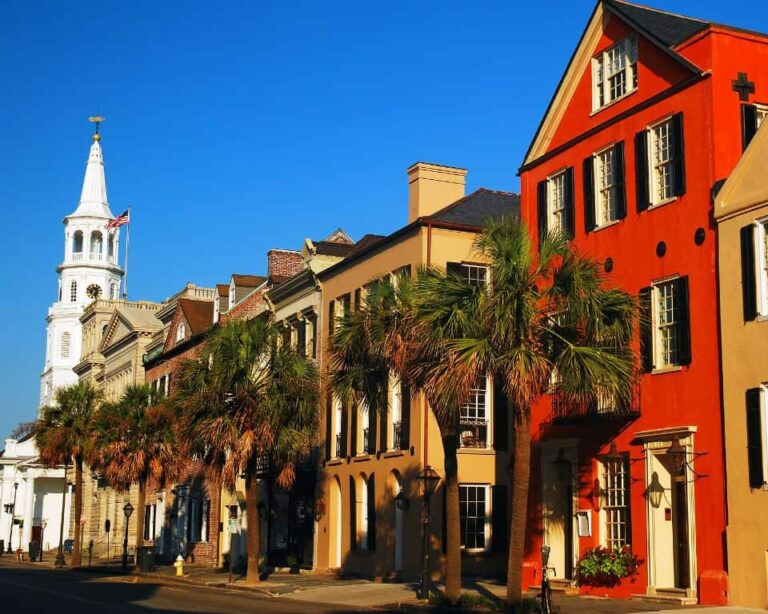
Lined with pastel-colored houses, cobblestone streets, and moss-draped oaks, Charleston lays bare its rich history for all to see. We’ll start at the Battery, a landmark defensive seawall and promenade. It’s known for its stately antebellum homes, offering us a glimpse into a bygone era.
From there, we can comfortably stroll along the city’s well-maintained sidewalks, a reflection of Charleston’s commitment to safety and beauty. We can’t miss the iconic Charleston City Market, a historic market complex spanning four city blocks.
It’s a trove of handcrafted goods, local produce, and unique souvenirs. Rest assured, it’s a safe and secure shopping experience. As we wrap up our tour, we’ll pay a visit to Waterfront Park, a twelve-acre park along the Cooper River, known for its scenic vistas and the famous Pineapple Fountain.
We’ll take precautions to enjoy the park responsibly, respecting the city’s guidelines to guarantee a safe visit. Our Carolina-Georgia Loop ends here, leaving us with unforgettable memories of historic plantations and coastal towns.